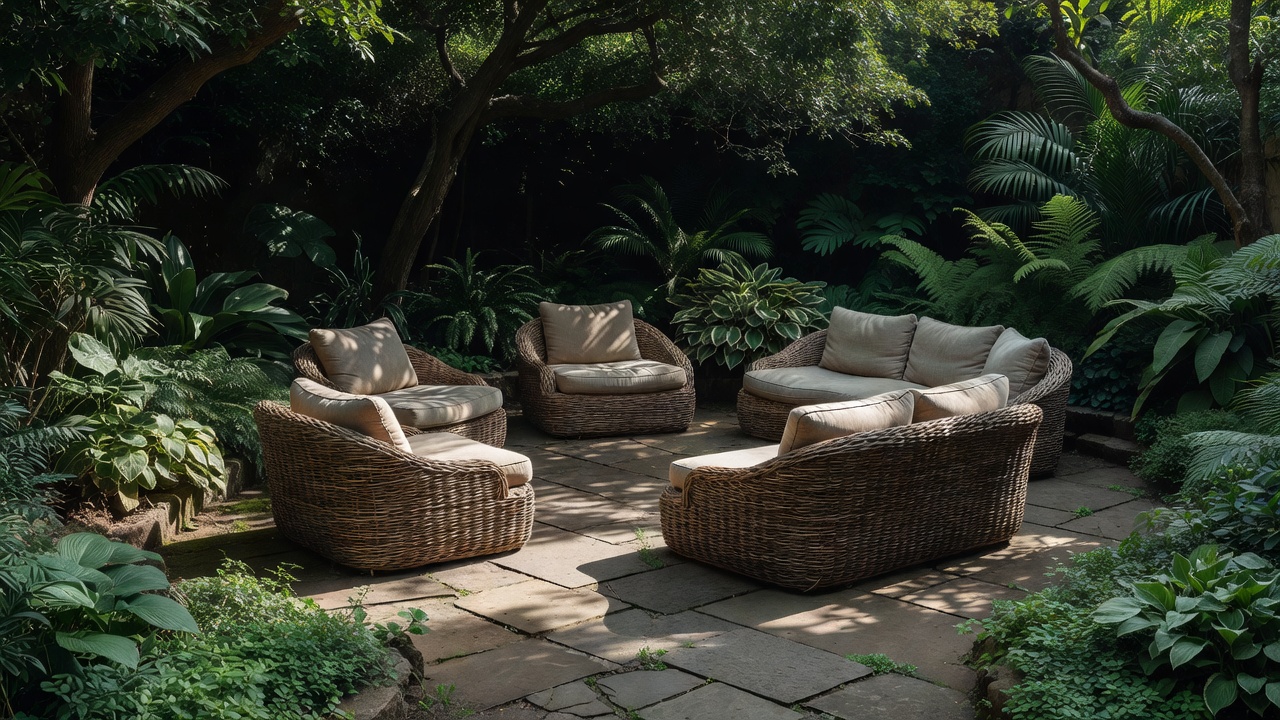
Choose an everyday purpose
Decide what the garden room is mainly for: a quiet morning drink, reading after work or conversation with a few friends. A space that tries to accommodate every possible gathering can become crowded before anyone arrives. Design for your regular household first, with lightweight additions for occasional visitors.
Look from inside the house as well as from the garden. A lounge should offer a welcoming view without blocking the main route or making the interior feel hemmed in. On a small terrace, a pair of good chairs and a shared table may work better than a deep sofa that consumes the entire floor.
Observe shade as something that moves
Take photographs at the times you expect to sit outside. Repeat the exercise across the seasons if you can. A comfortable patch at breakfast may be exposed by late afternoon, and a tree that gives useful summer cover may admit welcome winter light. One visit on an overcast day cannot tell the whole story.
Pergolas, umbrellas, awnings and trees offer different kinds of protection. A pergola with open slats may filter light without keeping off rain. Fabric shade systems need suitable anchoring and wind procedures. Trees require space for roots and mature growth, and some species bring significant leaf, fruit or sap drop. Ask local specialists about suitability rather than choosing solely by canopy shape.
Do not attach a shade structure to a building or boundary without checking ownership, structural capacity and any required approvals. Wind uplift can be substantial even when a fabric panel looks light. A safely designed, modest shelter is preferable to a dramatic improvised sail.
Arrange the room around bodies, not photographs
Try furniture before buying where possible. Seat depth, back support and the effort needed to stand up affect whether a chair is truly comfortable. Low lounge furniture can suit some households and exclude others. Offer a more upright seat if guests have different mobility needs, and leave usable circulation around the arrangement.
Place small tables where people can reach them without leaning over an armrest or standing. Keep loose rugs away from awkward thresholds and check whether they drain and dry appropriately. A clear, stable route matters more than perfect symmetry. Lighting should help people identify level changes without creating glare in their eyes.
Use planting as a living boundary
Planting can create a sense of enclosure without a solid wall. Think in layers: a low edge near the floor, a mid-height screen where privacy matters and a higher canopy where space permits. Avoid assuming that dense planting always improves comfort; it may limit airflow, retain damp or narrow a route as it grows.
Choose species for local conditions, mature size and maintenance capacity. Check toxicity where children or pets use the space, and consider thorns or irritating foliage beside seats. Native planting can support local ecology when appropriately selected, but “native” alone does not guarantee suitability for a container, a shaded courtyard or a particular soil.
Compact study
The sheltered reading corner
One supportive chair, a stable side table and a light aimed at the page. Keep the cushion route short and avoid placing the seat beneath a dripping roof edge.
Flexible study
The conversation pocket
Two movable chairs around a modest table can turn toward shade or away from wind. Keep a clear path behind them so circulation does not cut through the conversation.
Give weather a practical answer
Outdoor-rated furniture still needs care. Read the instructions for frames, weave, cushions and fasteners separately. A shower-resistant cover is not a promise that a cushion can remain wet indefinitely. Make dry storage easy enough to use on an ordinary evening, rather than hiding it at the far end of the property.
Raise storage contents away from damp surfaces where appropriate, and allow ventilation as specified by the product maker. Check furniture feet for damage to paving and inspect connections after periods of strong weather. In coastal or highly exposed locations, ask specifically about corrosion, finish durability and replacement components.
Let the evening remain gentle
A garden room does not need to be as bright as an indoor kitchen. Use focused, shielded lighting where a route or task needs it, and preserve darker areas elsewhere. Consider neighbours, wildlife and bedroom windows when choosing position and operating times. Warm-looking light is not automatically harmless; brightness, direction and duration also matter.
Keep the overall room easy to reset. Remove unnecessary objects, sweep the surface, inspect drains and allow wet furnishings to dry. The most inviting garden lounge is often the one you can make ready in a few minutes, without turning a short break outside into a maintenance project.
Planning note: rehearse a wet-weather retreat
Imagine rain arriving while you are seated. Where do cushions go? Can you reach the house without stepping over furniture? Does the floor become slippery? Adjust the layout before ordering large pieces.
For structures, retaining work, significant level changes, electrical installations and tree-related building risks, seek appropriate local professional advice.