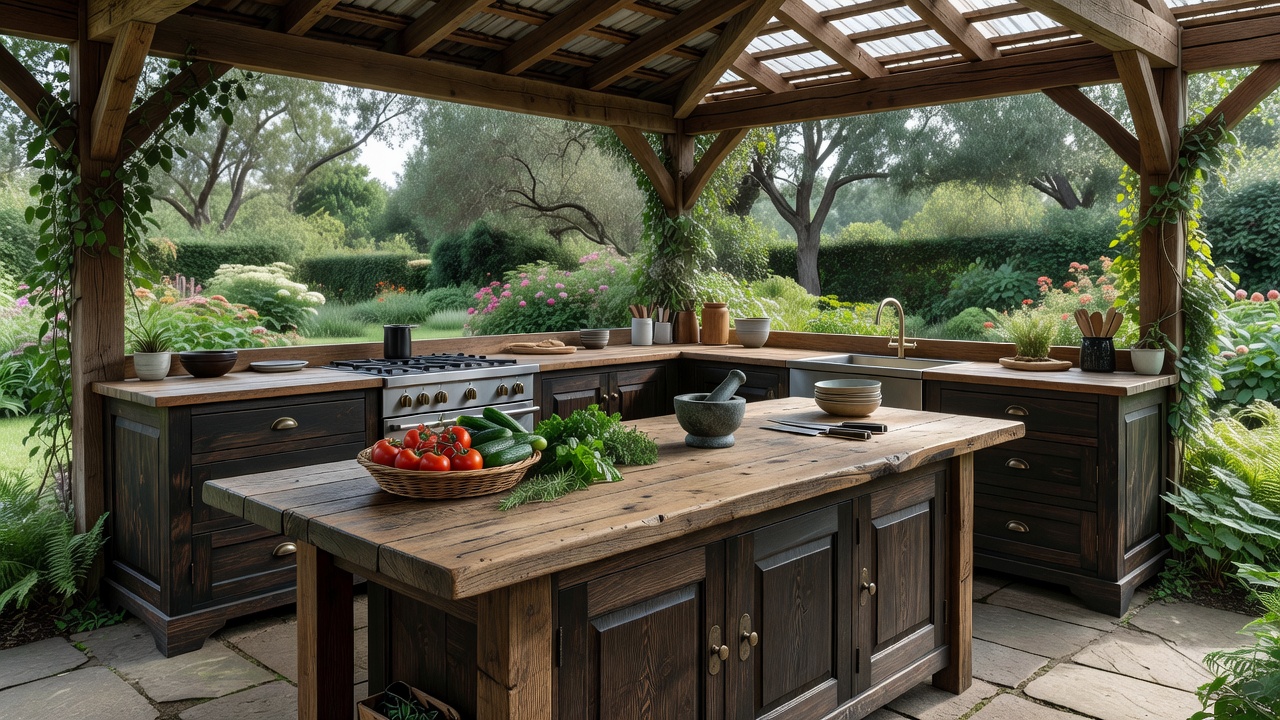
Rehearse the journey of a meal
Imagine carrying ingredients from the indoor kitchen, washing produce, preparing food, cooking and serving. Then imagine doing it with a hot tray while someone moves a chair into your path. The route should feel simple without asking guests to cross the cook’s working area. Keep the main access to the house usable throughout the meal.
A small cooking station near an existing kitchen may work better than a fully equipped island at the far end of the garden. Start with the equipment you will regularly use. Every extra sink, refrigerator or built-in appliance brings installation, weather protection and cleaning obligations. A clear preparation surface is often more valuable than another rarely used feature.
Let safe siting shape the layout
Choose the appliance and obtain its installation instructions before designing cabinetry or shelter around it. Required clearances, ventilation, supporting surfaces and permitted surroundings vary by product. Outdoor air alone does not make a covered installation acceptable. Nearby timber screens, roof linings, climbing plants and open windows all need consideration.
Do not rely on a generic clearance dimension from an inspiration article. Ask a suitably qualified installer to assess the specific equipment and local rules. Fuel storage also needs a compliant location. Cylinders should not be hidden in a sealed cabinet for appearance, and equipment should never obstruct an escape route or a safe route back indoors.
Use shelter without trapping heat or smoke
Shade makes food preparation more comfortable, but it can complicate cooking safety. An awning, pergola or low roof may introduce combustible materials or interfere with dispersal of heat and combustion products. Screens that make a space feel cosy can also make it more enclosed. Confirm that the complete arrangement is allowed, not merely that the appliance is sold for outdoor use.
Observe prevailing winds and nearby openings, while remembering that wind direction changes. Smoke drifting toward a bedroom or a neighbour’s seating area can make an otherwise attractive plan unpleasant. Avoid trying to solve a fundamentally unsuitable position with an improvised fan or a decorative enclosure.
Bring in the right people for services
Electrical equipment, outlets and circuits must suit their outdoor location and local requirements. Water supplies may need isolation, backflow protection and frost precautions. Wastewater needs a lawful drainage route; a garden bed is not automatically an acceptable destination. Gas work requires the appropriate qualified professional for your jurisdiction.
Ask installers how servicing will happen after the counters and storage are in place. Access panels, shut-offs and removable components should remain accessible. Before committing to a layout, identify buried services and confirm whether permissions or inspections apply. These questions are easier to resolve on a drawing than after a finished terrace has been lifted.
| Element | Useful question | Ongoing responsibility |
|---|---|---|
| Worktop | Is the exact product suitable for exterior exposure, food preparation and expected temperatures? | Use appropriate protection for hot pans and follow cleaning instructions. |
| Cabinetry | How are edges, fixings and ventilation detailed for moisture? | Inspect hinges, joints and concealed damp areas. |
| Floor | Does the specified finish suit wet, greasy conditions and the drainage design? | Clean spills promptly and prevent slippery build-up. |
Make closing down part of the design
An outdoor kitchen should be easy to leave clean. Provide a practical route for rubbish and dishes, somewhere dry for utensils, and access to surfaces behind the appliance. Choose storage around what can safely remain outside, not what you hope will tolerate the weather. Food and crumbs can attract pests even beneath a well-made roof.
Allow equipment to cool and follow manufacturer guidance before covering it. A cover can trap moisture if used incorrectly, and it does not replace seasonal servicing or winter preparation. In coastal settings, confirm corrosion resistance and cleaning requirements rather than assuming all stainless steel performs alike.
Finally, protect the social part of the room. Put comfortable seating beyond the working zone, give drinks a stable surface and keep lighting gentle enough for conversation while adequate for the task. A modest kitchen that is pleasant to use will earn more evenings outdoors than an impressive installation that feels awkward.
Planning note: test a temporary layout first
Mark out counters and circulation with movable objects when no cooking is taking place. Rehearse carrying dishes and opening storage. This tests comfort only; appliance siting and service installation still need professional approval.
This guide does not provide installation instructions. Follow the appliance manufacturer’s requirements and obtain qualified local advice for fuel, electrical, structural and drainage work.